Red Zone Soil Safety
This land is loved.
Come learn how to live with it safely.
Discussion Nights
Join us for an informal chat to share what you want to learn about soil contaminants. We'll discuss what they are, how they behave, and where specifically the elevated levels are located.
Practical Sessions
Hands-on, skill-based sessions to learn safer gardening practices and practical ways to reduce soil exposure.
Who is this for?
Whether you've lived in Christchurch your whole life, or you're new to the city and just enjoy the beautiful public spaces, these sessions are for everyone using the Red Zone.
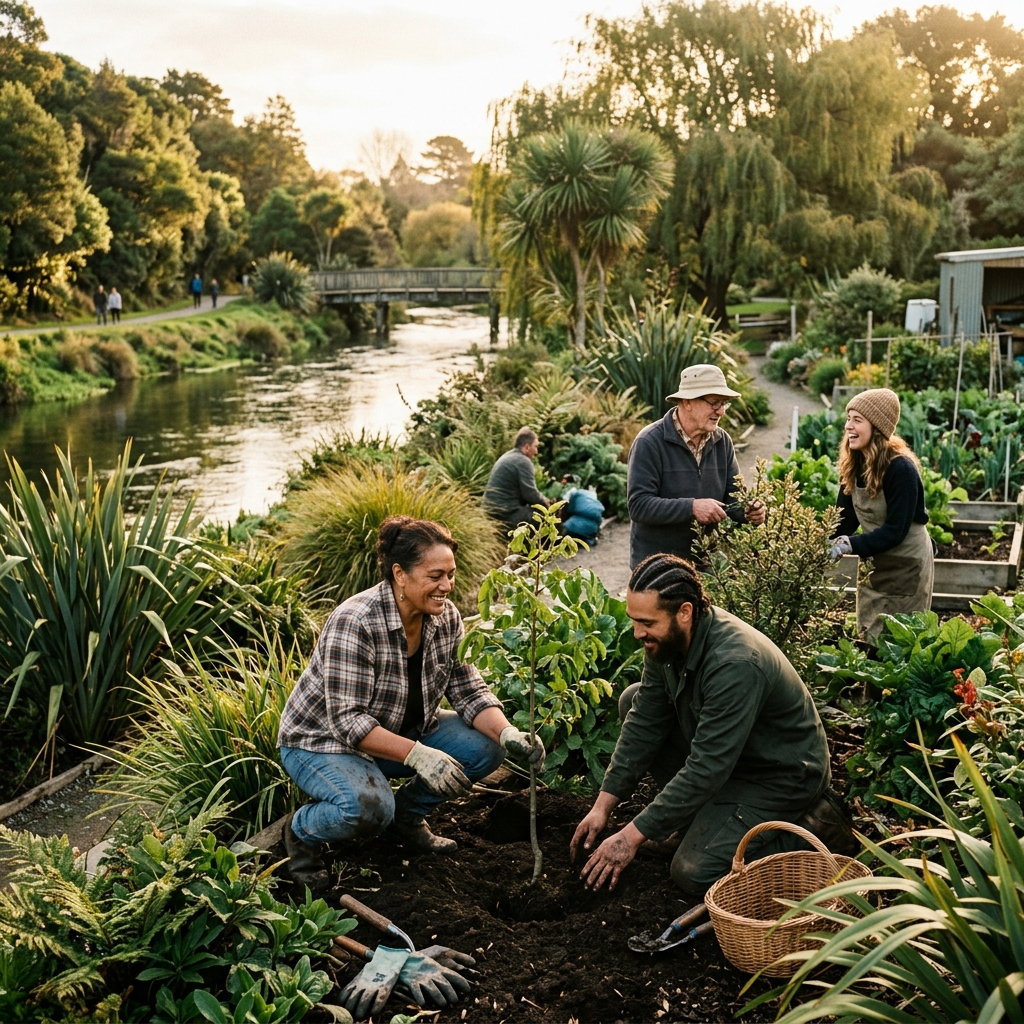
Gardeners & Volunteers
For those growing food or tending to community gardens like Richmond.
Cyclists & Bikers
For those riding through the Ōtākaro Avon River Corridor trails.
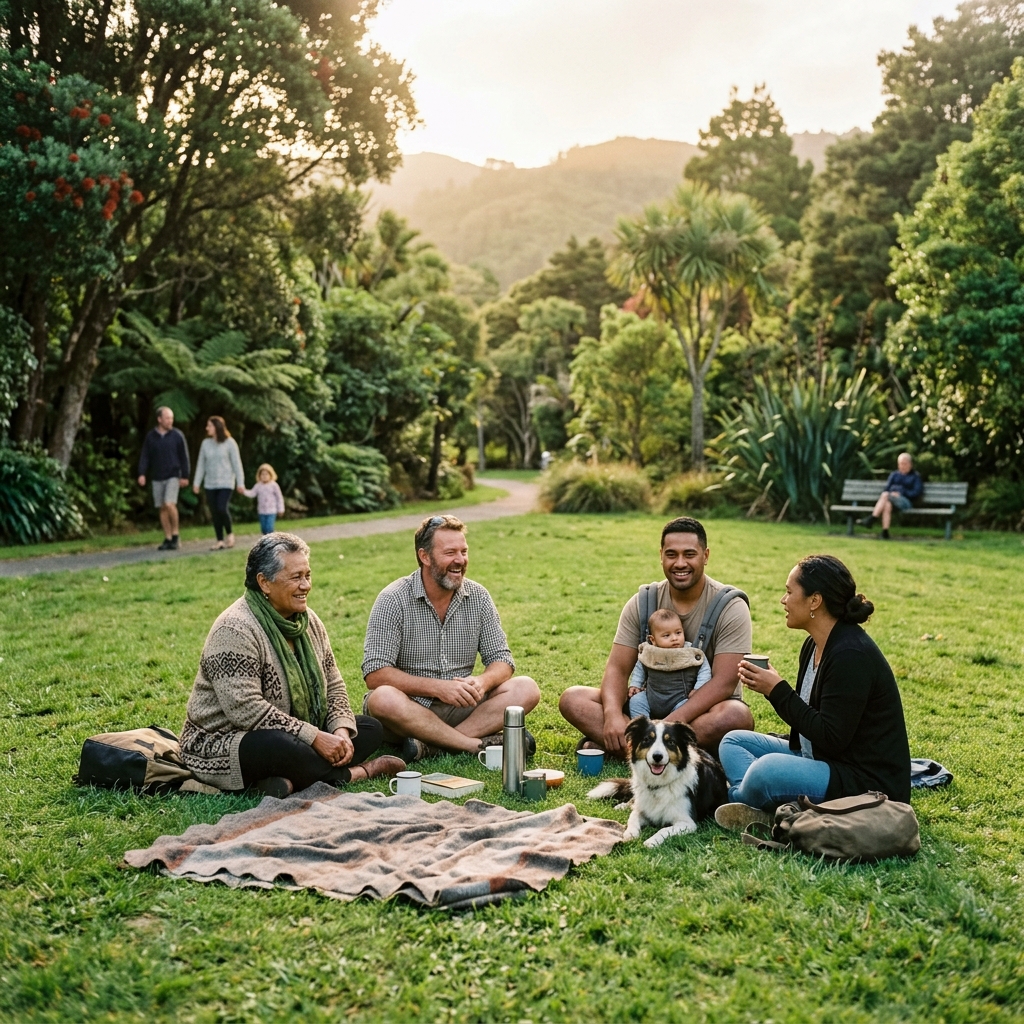
Walkers & Families
For anyone enjoying the open green spaces, recreation areas, and rivers.
Dog Walkers
For pet owners walking their dogs through the Red Zone areas.
Where is the Red Zone?
When we say "Red Zone," we are specifically talking about the Christchurch Residential Red Zone.
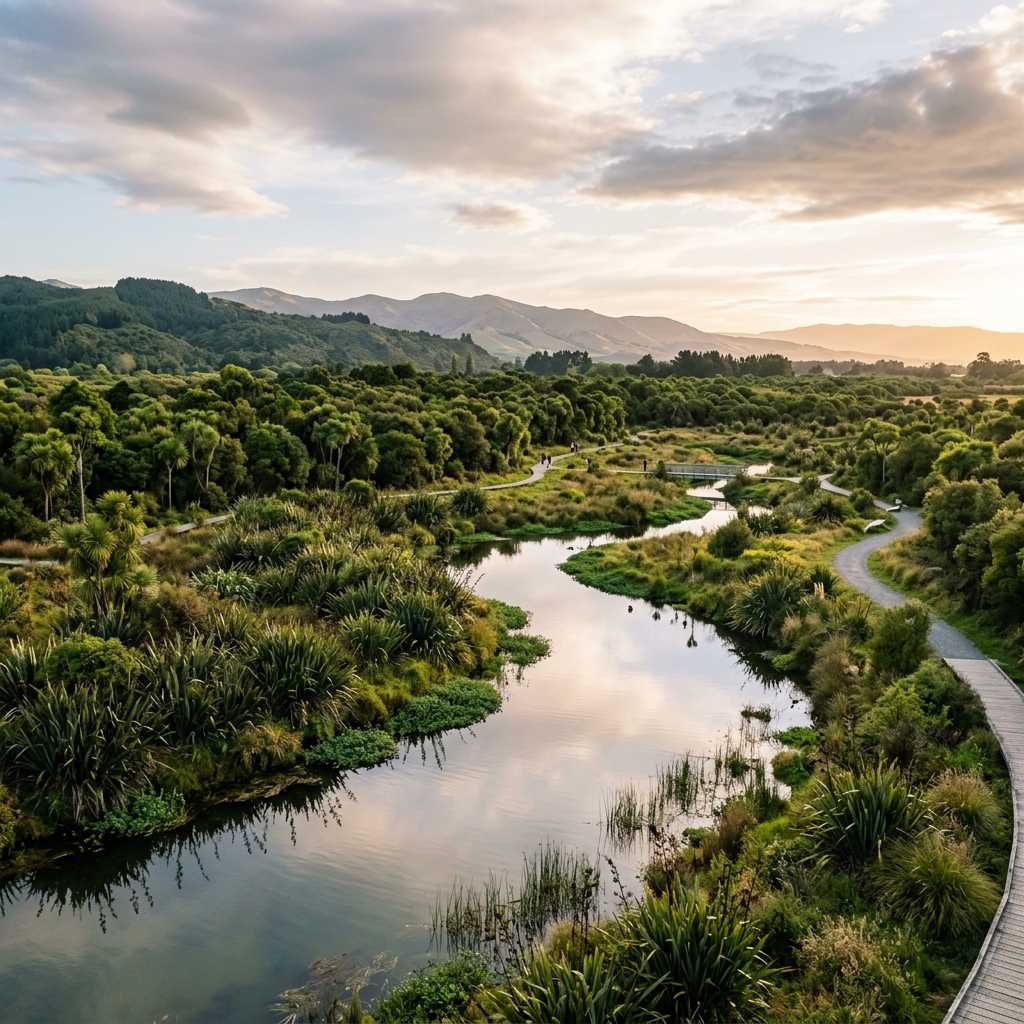
Following the Canterbury earthquakes, certain residential areas experienced severe land damage. Homes and structures were removed, and rebuilding was restricted. Today, much of this land forms a massive, beautiful green corridor winding through the city.
It includes the beloved Ōtākaro Avon River Corridor and wide open spaces across Avonside, Richmond, Dallington, Bexley, Southshore, and South Brighton.
Why this matters
Some areas of former residential land may have soil contamination above guideline levels.
After the earthquakes, many damaged homes and structures were removed. In some places, older residential materials, disturbed soil, treated timber, paint, fuels, oils, and other historic urban sources may have left contaminants in the soil.
Contaminants of concern can include arsenic, lead, zinc, hydrocarbons, and chemicals associated with treated timber (such as copper, chromium, and arsenic from CCA-treated wood).
Not all soil is affected, but it is worth knowing how to reduce risk. The goal is not to avoid the land, but to know how to use it safely.
What you'll learn at the sessions
- What potential soil risks may look like in the area
- When to be more careful around bare soil
- Safer gardening and community garden practices
- How to protect kids, pets, and shared spaces
- Where to ask questions and get practical guidance
Join a free session to get the practical details.
Avoid unnecessary contact with bare soil in uncertain areas.
Wash hands thoroughly after any soil contact.
Come to a session before disturbing soil, gardening, or growing food in uncertain areas.
The practical details are covered at the sessions.
A vibrant community space
The Red Zone is a loved community place, full of life, recreation, and greenery. Being aware of soil safety helps us continue to enjoy this beautiful local environment with confidence.
Ready to learn more?
Come along, ask questions, and learn simple ways to keep yourself, your whānau, and the community safe.